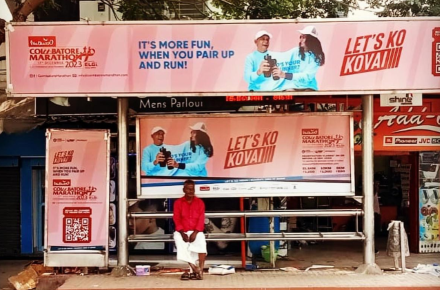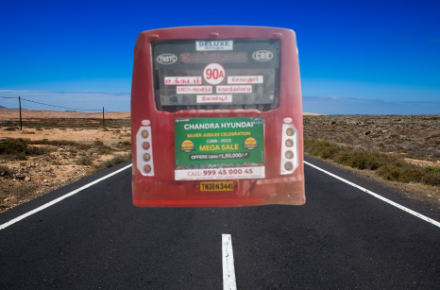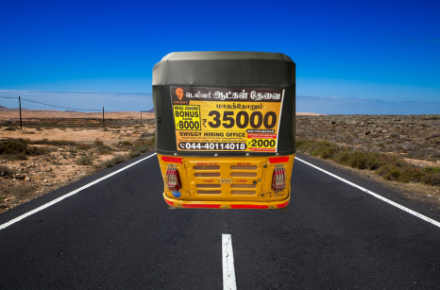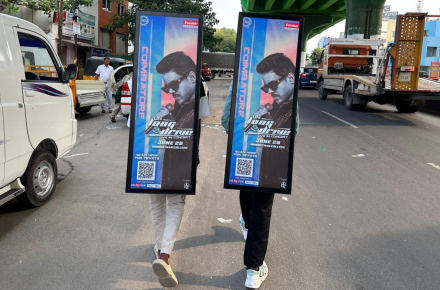

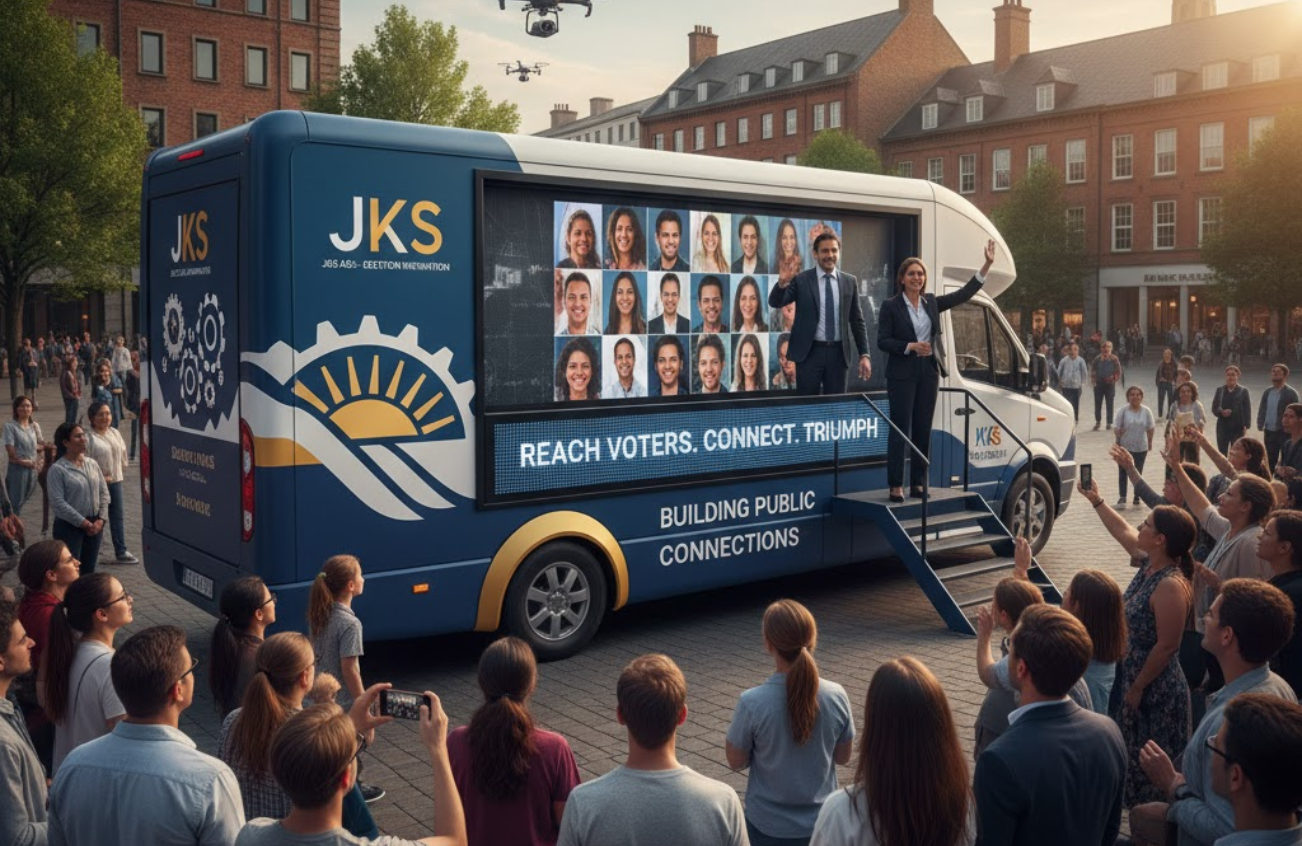
Election mobile vans have become a powerful and essential tool for modern political campaigns, helping candidates reach voters directly and build stronger public connections. In an environment where visibility, trust, and timely communication matter more than ever, these mobile campaign vehicles take the message straight to the people—right where they live, work, commute, and gather. By traveling through villages, towns, and urban neighborhoods, election vans ensure no region is missed, giving candidates direct access to diverse voter groups. Equipped with LED screens, loudspeakers, videos, slogans, and impactful visuals, they deliver campaign messages clearly and consistently, helping leaders communicate their promises, achievements, and development plans with maximum clarity. Repeated visibility of a branded election van displaying the candidate’s photo, symbol, and message helps build familiarity and trust, making the candidate more recognizable and memorable when voting day arrives. These vans also act as mobile stages, stopping at marketplaces, streets, and residential clusters, allowing candidates or party representatives to address gatherings, interact with residents, distribute pamphlets, and engage with people face-to-face—creating a personal connection that static advertising simply cannot achieve. They’ve become especially crucial for rural and remote outreach, where access to large rallies or digital promotions may be limited, ensuring every village receives the campaign’s message. With complete flexibility in route planning, timing, voter targeting, and message updates, election vans allow teams to adapt quickly to changing political strategies. Their ability to broadcast videos, audio announcements, promises, achievements, and party manifesto points makes them ideal for rally mobilization, awareness efforts, and strengthening voter confidence. Overall, election mobile vans help candidates stay visible, approachable, and connected—turning every street into a direct communication bridge between leaders and the people.
Download our Apps and get extra 15% Discount on your first Order…!


© All COPYRIGHTS RESERVED BY 2025 . DEVELOPED BY CASEYUGGROUPS.